Klang der Alpen

Klang der Alpen

Klang der Alpen

Ein Film von Elke Sasse und Pascal Capitolin, 90 min, tba

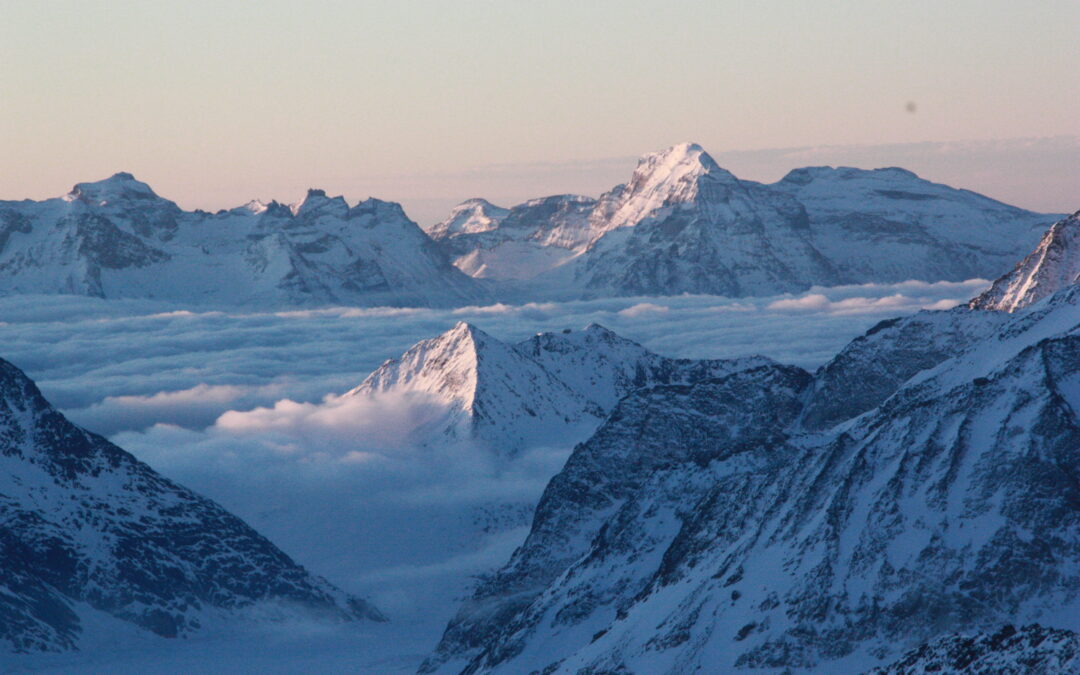
DER KLANG DER ALPEN ist eine immersive Reise durch eine der schönsten und imposantesten Berglandschaften Europas. Eine Begegnung mit besonderen Menschen und nie gehörten Klängen. Eine „Anstiftung zum Hören“, die das Sehen verändert und es ermöglicht, die Bergwelt der Alpen jenseits unserer Sehnsüchte und Projektionen neu zu erleben.

Der Film folgt einer Bewegung vom Tal hinauf in Richtung Gipfel – durch Wälder, über Wiesen, durch eine Höhle, die Felslandschaften oberhalb der Baumgrenze, über einen Gletscher. Dabei nähern wir uns der Bergwelt über unsere Ohren. Wir begegnen Menschen, die unsere Sinne schärfen für ihre ganz besonderen Klangwelten. Sie nehmen uns mit und öffnen Ohren – und Augen. Wir tauchen mittels immersiver Tontechnik in ihre „Wunderwelten“ ein und lassen uns berühren. Wir hören den Alpen zu, dechiffrieren ihre Botschaften.

Wir erleben die Bergwelt als Suchende, nicht als Bezwingende. Wir sind nur Zuhörende. So lösen sich Gewissheiten auf und Töne dekonstruieren Postkartenmotive. Wir hören und wir sehen wie neu. 

Wir begegnen den Alpen nicht als Objekt, nicht als Ressource, Kulisse oder Projektionsfläche. Und werden so Zeugen einer großen Transformation. Wir erleben Schönheit, Verletzbarkeit – und Zerstörung: Kaum ein Ort ohne die Tonspur des Menschen, die vertrocknenden Wälder seufzen, der Klang der im Schmelzen platzenden Luftblasen im ewigen Eis ist die Tonspur des Klimawandels.

Doch wir erstarren nicht in Hoffnungslosigkeit, denn das Hören ermöglicht uns eine andere Art der Begegnung. Töne sind persönlich und emotional. Über sie erfahren wir eine wiedergefundene Verbindung – zu dieser einzigartigen Welt in Gefahr.

Mischa Maisky | A Man and his Cello

Mischa Maisky | A Man and his Cello

Mischa Maisky | A Man and his Cello

A film by Beatrix Conrad & Lily Küntzle, 52 min, NDR/ARTE 2024

“After 50 years on stage, there are still many challenges, dreams, and ambitions for the next 50 years,” Mischa Maisky says with a twinkle in his eye. The 75-year-old star cellist, together with the Deutsche Kammerphilharmonie Bremen under the baton of Paavo Järvi, demonstrates that he can still play like a “hot-blooded youngster” (Hamburger Abendblatt).

“My most important life motto: Perfection is the enemy of good.” For Mischa Maisky, the cello is not a means to demonstrate technical skill. For him, it’s not about perfection, but rather about conveying emotions to his audience as unfiltered as possible in the moment of interpretation. This emotional connection with the audience is intensely felt in the concert in Kiel with his long-time friend, the pianist Martha Argerich, and the violinist Janine Jansen. And even though Mischa Maisky still has many wishes and dreams for the future, he has already fulfilled one heart’s desire: he goes on concert tours as a family trio together with his children Sascha (violin) and Lily (piano).

Tchaikovsky’s Rococo Variations allow the cellist to indulge his virtuosity to the fullest. With Tchaikovsky’s “Nocturne” and the cello adaptation of the Lensky aria “Kuda, Kuda,” Maisky demonstrates his romantic, expressive playing without slipping into kitsch. Max Bruch’s “Kol Nidrei” awakens memories of his origins. Maisky grew up in a Jewish family with Ukrainian roots in the former Soviet Union, began playing the cello at the age of 8, and received his education from two of the greatest masters of the cello: Mstislav Rostropovich and Gregor Piatigorsky. Through several disruptions in his life – his father died when he was 18, his sister emigrated shortly after, and he himself spent 2 years in a labor camp – Maisky developed a special sensitivity that can be heard in his playing. He sees his unusual life story as an important education and is grateful for this “comprehensive life experience.”

Magic Moments of Music | Grace Bumbry is Carmen

Magic Moments of Music | Grace Bumbry is Carmen

Magic Moments of Music | Grace Bumbry is Carmen

A film by Dag Freyer, ZDF/arte and UNITEL, 52 min

Her career almost seems like a fairy tale: Due to racial segregation, she was denied the opportunity to study at the St. Louis Institute of Music, even though she had won a scholarship in a competition.

But Grace Bumbry prevails against all odds: She celebrated her breakthrough in Bayreuth, where Wieland Wagner brought her for his “Tannhäuser”. Initially the victim of racist hostility, the press eventually celebrated her as a “black Venus” and the audience applauded her 40 times in front of the curtain. Carmen became one of her signature roles. Together with Herbert von Karajan, she is at the peak of her vocal and dramatic abilities. Her vocal power, her temperament and her minimalist portrayal continue to inspire singers who take on the role of Carmen to this day. Many have gone on to have great careers. Grace Bumbry’s was more than that: it was important – and “Carmen” was one of her finest moments. But “Carmen” was also a turning point in Bumbry’s career, which also demanded personal sacrifices from her and forced her to retrain from mezzo-soprano to soprano.

For mezzo-soprano Clémentine Margaine, who celebrated her breakthrough with “Carmen”, Garce Bumbry’s interpretation is still the reference. Grace Bumbry’s best friend since her youth, Felicia Weathers, draws parallels between the role of Carmen and Bumbry’s life. Anna Tomowa-Sintow, herself one of the greats of the opera stage, explains what makes Bumbry’s interpretation of “Carmen” so unique. Dominique Meyer, artistic director of La Scala in Milan, looks back on a long collaboration and friendship. And David Lee Brewer reviews Bumbry’s career in Bumbry’s music room on the day the apartment was cleared.

Magic Moments of Music | Abbado Conducts Mahler’s Second Symphony

Magic Moments of Music | Abbado Conducts Mahler’s Second Symphony

Magic Moments of Music | Abbado Conducts Mahler's Second Symphony

A film by Magdalena Zieba-Schwind, ZDF/arte and C Major Entertainment, 52 min

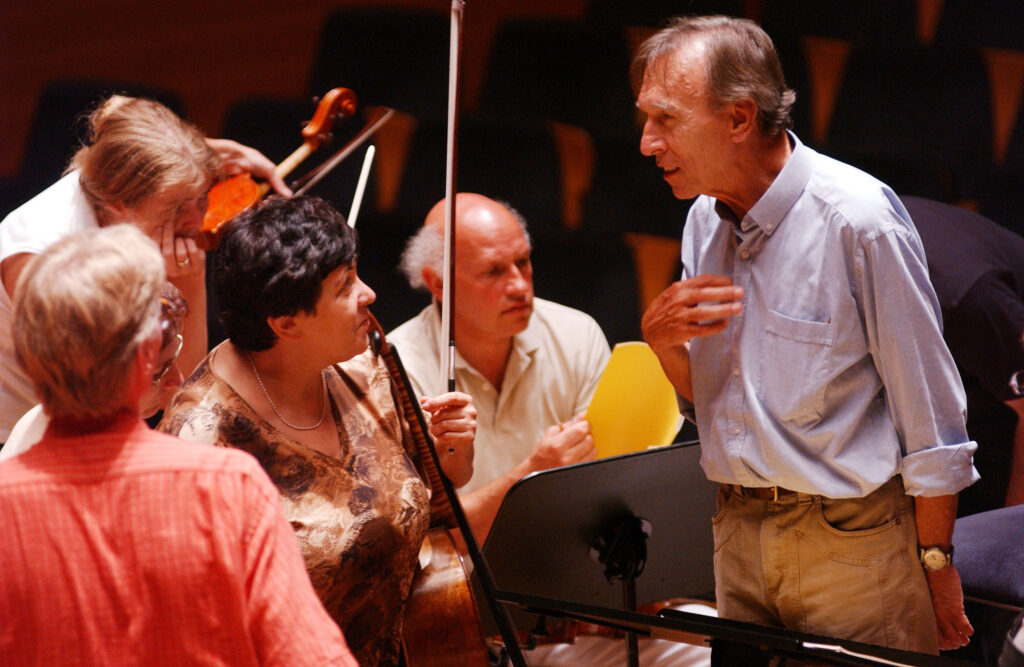
In 2003, the world-famous conductor Claudio Abbado returns to the stage after battling cancer. He celebrates his return to life together with the very best instrumentalists and chamber music ensembles, comprising a who’s who of classical music. This emotional performance of Gustav Mahler’s 2nd symphony – “The Resurrection” – is set to become a magic moment of music.

c_Priska_Ketterer_Lucerne_Festival

In 2003, after a battle with cancer, Claudio Abbado feels strong enough to take up the orchestra baton once again. For his return to the stage, he chooses Gustav Mahler’s 2nd Symphony, also known as the “Resurrection Symphony” – a gigantic work fit for an orchestra of superlatives. On this occasion, the Lucerne Festival Orchestra is made up of specially selected soloists and orchestral and chamber musicians with whom Abbado has performed on all the world’s stages. It is a distinguished “orchestra of friends” that celebrate his return to life together with him.

This magic moment grapples with such questions as the meaning of life, love, freedom and suffering – themes that run through Mahler’s music as well as the life story and personality of Claudio Abbado. “I shall die in order to live” goes the text of the Resurrection Symphony. During the concert, the conductor Abbado – still unwell with cancer – sings along with the choir. It is a profoundly emotional moment, not just in the life of the conductor but in classical concert history.

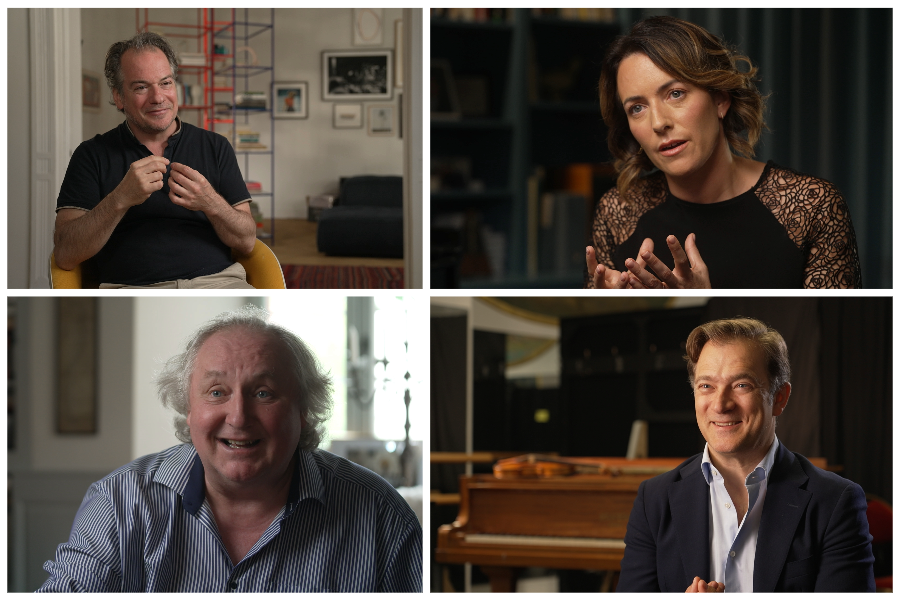
For this episode, the orchestra musicians relive the poignant atmosphere of this magic moment: Renaud Capuçon, Emmanuel Pahud, Reinhold Friedrich and Antonello Manacorda share their memories of their collaboration with Abbado and the occasion of this unique interpretation of Mahler’s music.

Magic Moments of Music | Rudolf Nureyev’s Swan Lake

Magic Moments of Music | Rudolf Nureyev’s Swan Lake

Magic Moments of Music | Rudolf Nureyev's Swan Lake

A film by Anne-Kathrin Peitz, ZDF/arte and UNITEL, 52 min

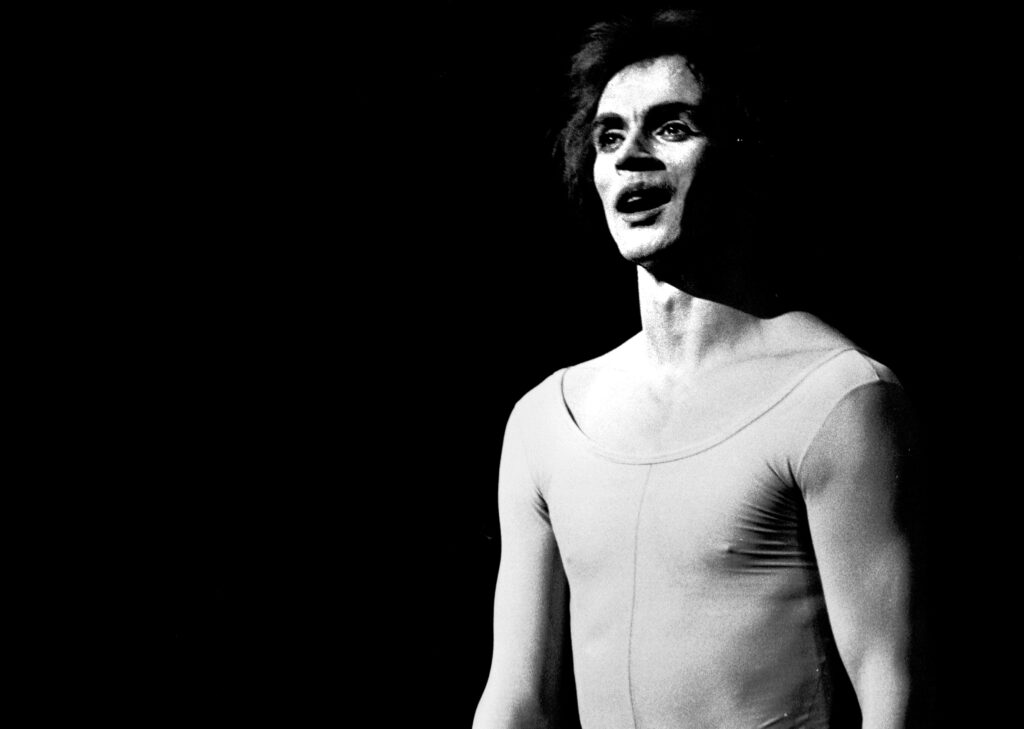
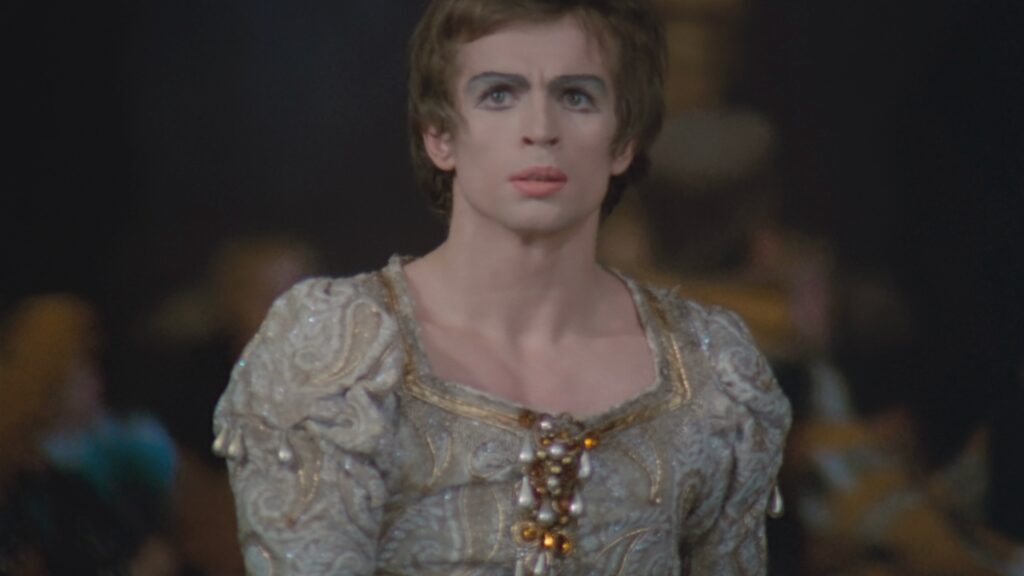
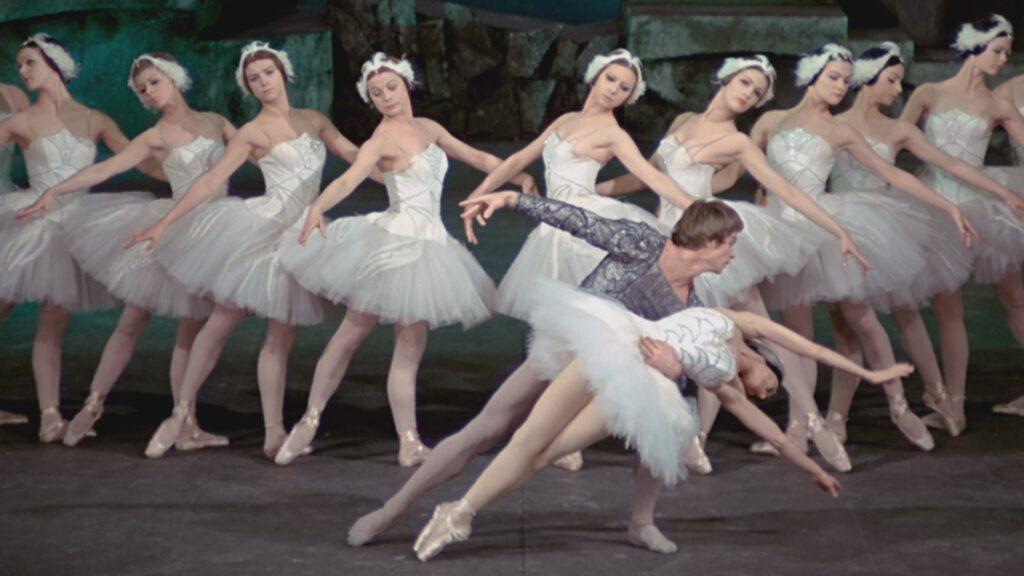
Ballet history was made at the Vienna State Opera on 15 October, 1964. The event is a performance of Swan Lake choreographed by Russian dancer Rudolf Nureyev, who also took on the male lead role of the Prince – all at just 26 years of age. His partner is 45-year-old British prima ballerina Margot Fonteyn. His version of Tchaikovsky’s ballet classic story would go on to make Rudolf Nureyev the dance icon of the 20th century.

An incredible 89 curtain calls (and a corresponding entry in the Guinness Book of Records) is testament to the ballet history that was written at the Vienna State Opera on October 15, 1964. The event is a performance of Swan Lake choreographed by Russian dancer Rudolf Nureyev, who also took on the male lead role of the Prince – all at just 26 years of age.

His partner is 45-year-old British prima ballerina Margot Fonteyn. Less than two hours later, the world-famous love story ends not with the traditional happy ending but with the death of the Prince. His version of Tchaikovsky’s ballet classic story would go on to make Rudolf Nureyev the dance icon of the 20th century.

His choreography for the Vienna State Opera Ballet and the Vienna Symphony Orchestra under John Lanchbery is one of the most well received of all time and is still in the repertoire of the Vienna State Opera. To this day, the technically extremely demanding choreography is danced with reverence by the generations that followed Nureyev, who are inevitably measured against the legendary dream couple of classical pointe dance, Rudolf Nureyev and Margot Fonteyn.

In his novel interpretation of Swan Lake, Nureyev revolutionises the role of the male dancer: no longer content to be the mere porteur, a “hoist” for the prima ballerina, he seeks to be her equal counterpart. And so he places the male role – and thus himself – at the very heart of the dance fairy tale. He adapts the original production by Marius Petipa and Lev Ivanov to his own tastes and includes, among other things, an extremely melancholic solo, which is now standard in every contemporary production.

Nureyev’s reading of the ballet shows not only a deep understanding of Tchaikovsky, whose homosexuality alienated him from society, but also has autobiographical leanings. Nureyev had experienced himself the pain of rootlessness, loneliness, the loss of loved ones, and the revolt against social conventions, which spurred the homosexual dancer to become the first artist to flee the Soviet Union to the West in 1961, an act of courage that brought him instant international notoriety.

This great moment in music includes the painstakingly restored 4K version of the legendary ballet recording, while the documentary passages with Nureyev reveal and make tangible this exceptional and fascinating personality. In newly filmed conversations, former dancers and companions, including Charles Jude, French “Let’s Dance” jury member Marie-Claude Pietragalla and biographer Julie Kavanagh, all have their own personal memories of the iconic figure. Michael Birkmeyer and Gisela Cech, who danced alongside Nureyev at the premiere of Swan Lake, take stock of this unforgettable evening of dance, while young artists such as the principal dancer of the Berlin State Ballet, Polina Semionova, choreographer Eric Gauthier and director Kirill Serebrennikov, look back at Nureyev and his work from the perspective of today.