Magic Moments of Music | Nikolaus Harnoncourt conducts Monteverdi

Magic Moments of Music | Nikolaus Harnoncourt conducts Monteverdi

Magic Moments of Music | Nikolaus Harnoncourt conducts Monteverdi

A film by Holger Preuße and Philipp Quiring, ZDF/arte, Unitel, 52 min

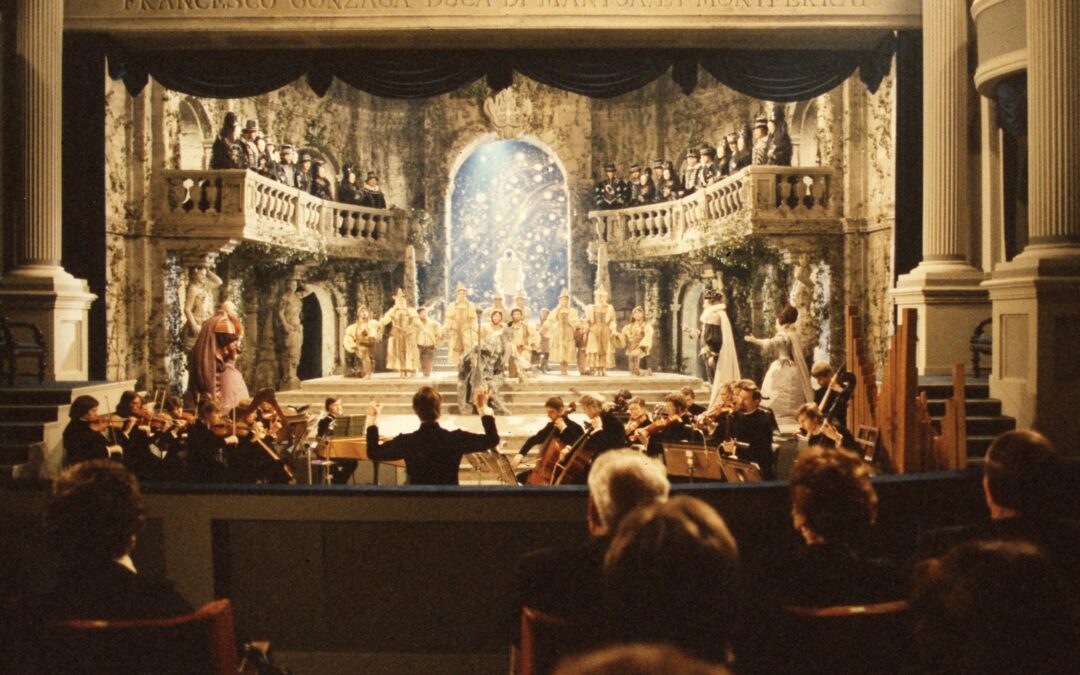
L’Orfeo by Claudio Monteverdi is one of the earliest operas. It tells the story of Orpheus and Eurydice, a young couple separated by fate and put to the test once again. In 1975, it was to be performed as faithfully as possible to the original, as it had been when it premiered more than 350 years earlier. First on stage in Zurich and later as a film production in Vienna. A radical vision by Austrian conductor Nikolaus Harnoncourt, directed by star director Jean-Pierre Ponnelle.
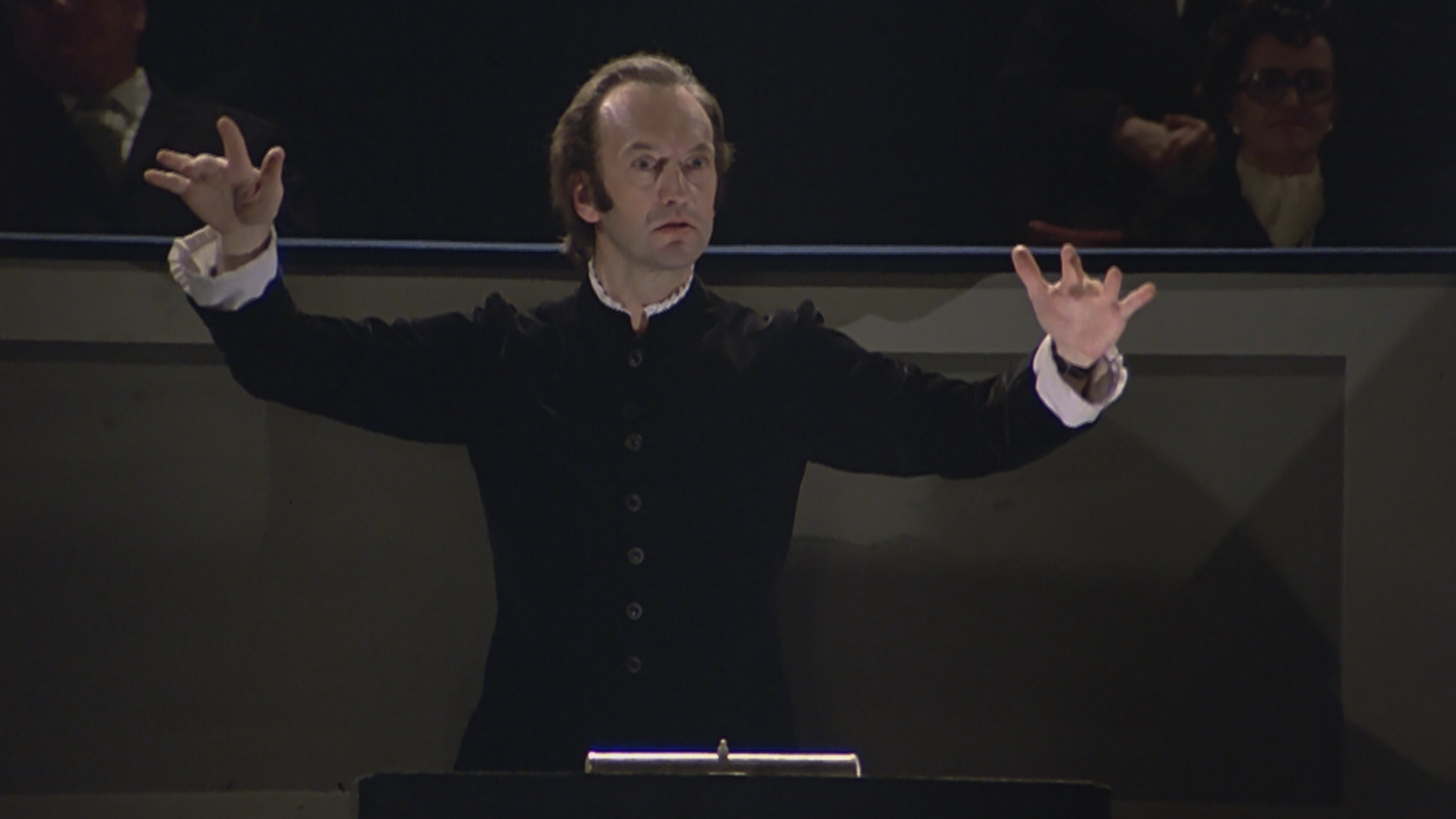
Harnoncourt brought back the historical sound experience. He meticulously sought out musicians who played period instruments and brought them together to form an ensemble. He succeeded in making the opera not only comprehensible but also captivating. More dramatic, more immediate, more direct than any modernisation could have achieved. With his historical performance practice, Harnoncourt shows that the seemingly so old, so past music of the early Baroque speaks most clearly to today’s audience when it is played with the instruments, the playing techniques and in the awareness of the artistic intentions of the time of its creation.
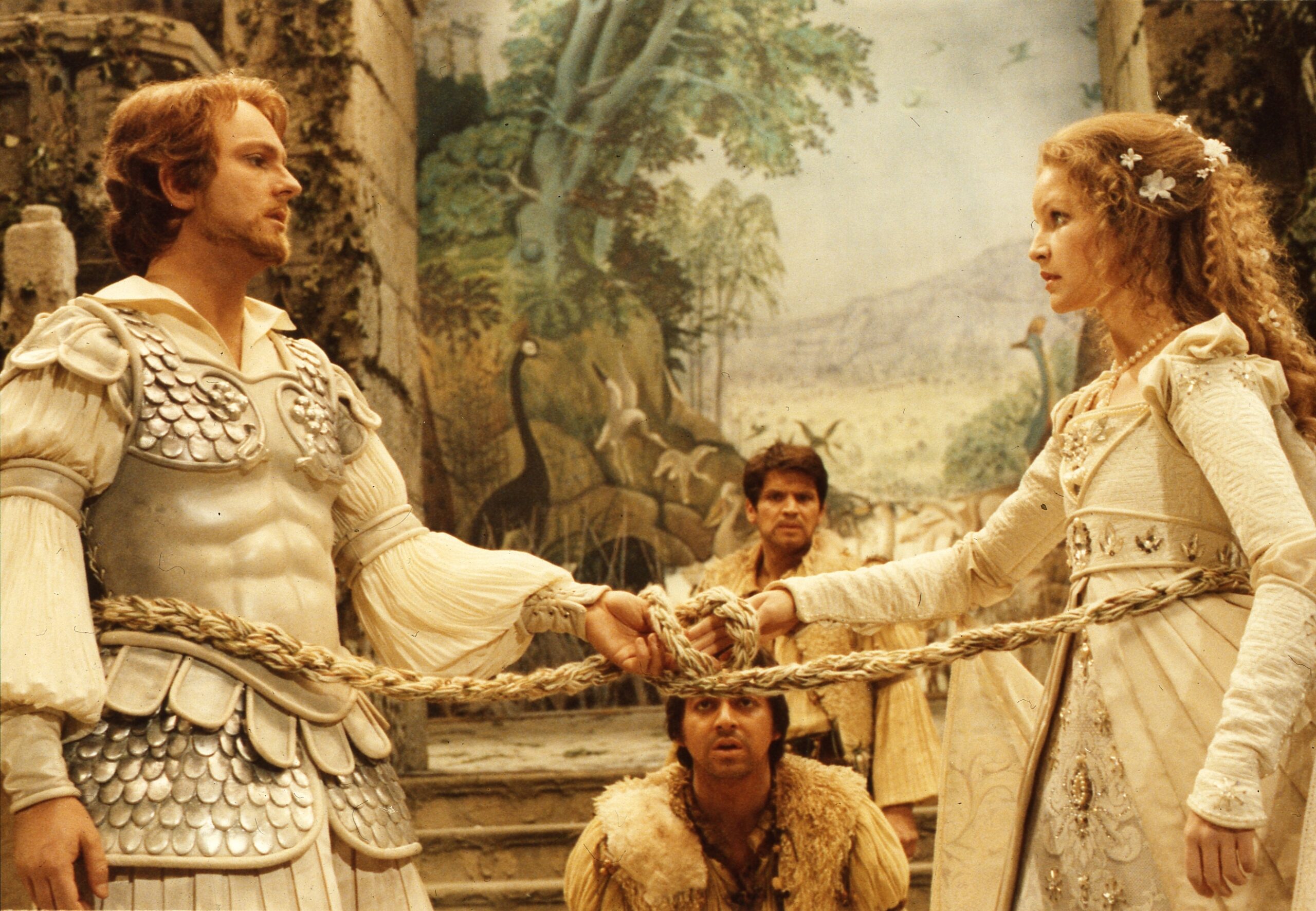
Ponnelle, who designed stage sets for Monteverdi operas at a young age, transforms the world of the Orpheus myth into a wildly romantic yet sombre land of milk and honey with ancient allusions. Opulent costumes meet lively staging and passionate acting.

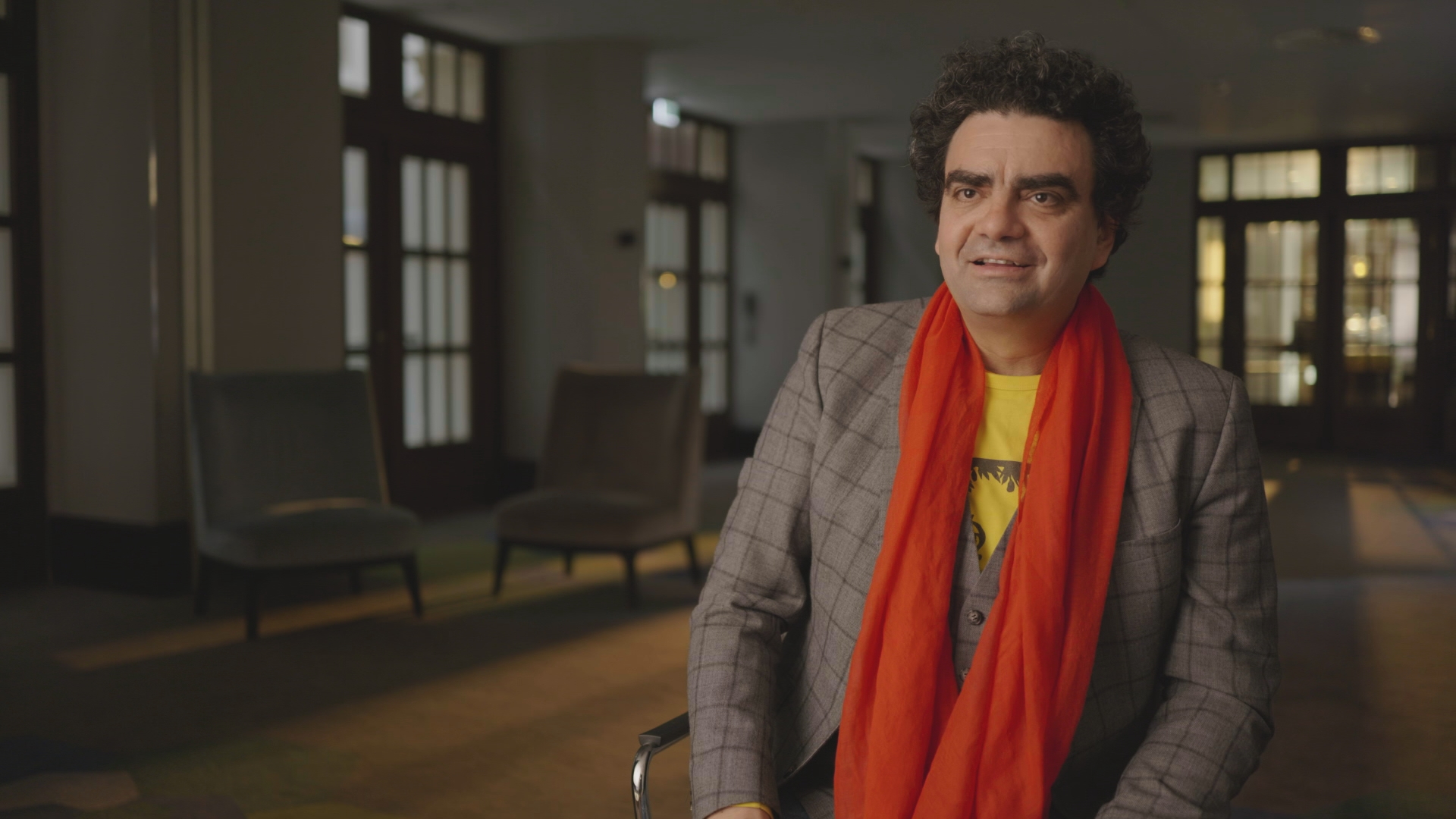
Outstanding singers such as Anna-Lucia Richter, Rolando Villazón, Elsa Benoit, Äneas Humm and also Nikolaus Harnoncourt’s son Philipp comment on the legendary production from 50 years ago.
Magic Moments of Music | The New York Phil in North Korea

Magic Moments of Music | The New York Phil in North Korea

Magic Moments of Music | The New York Phil in North Korea

A film by Alix François Meier, ZDF/arte, 52 min

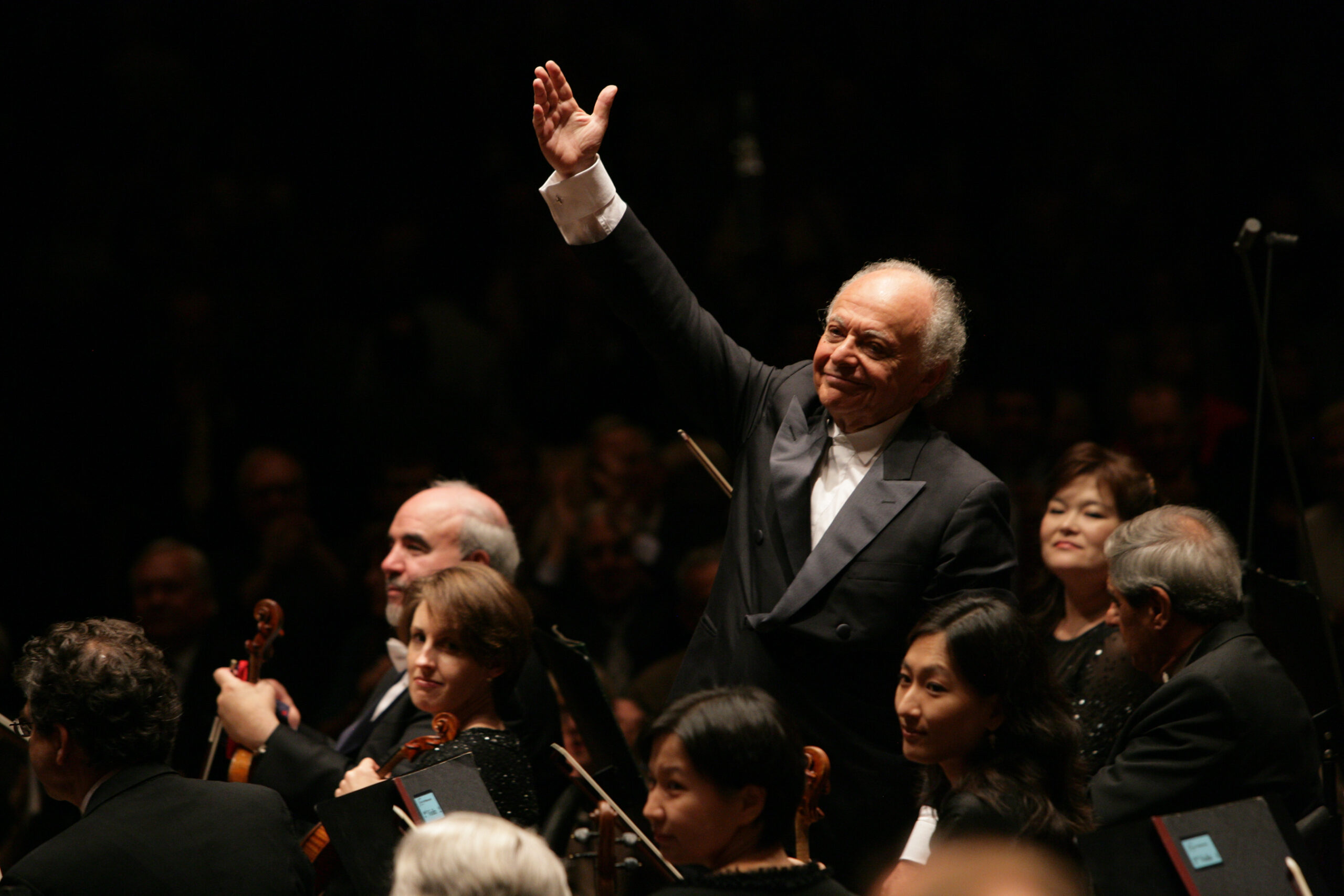
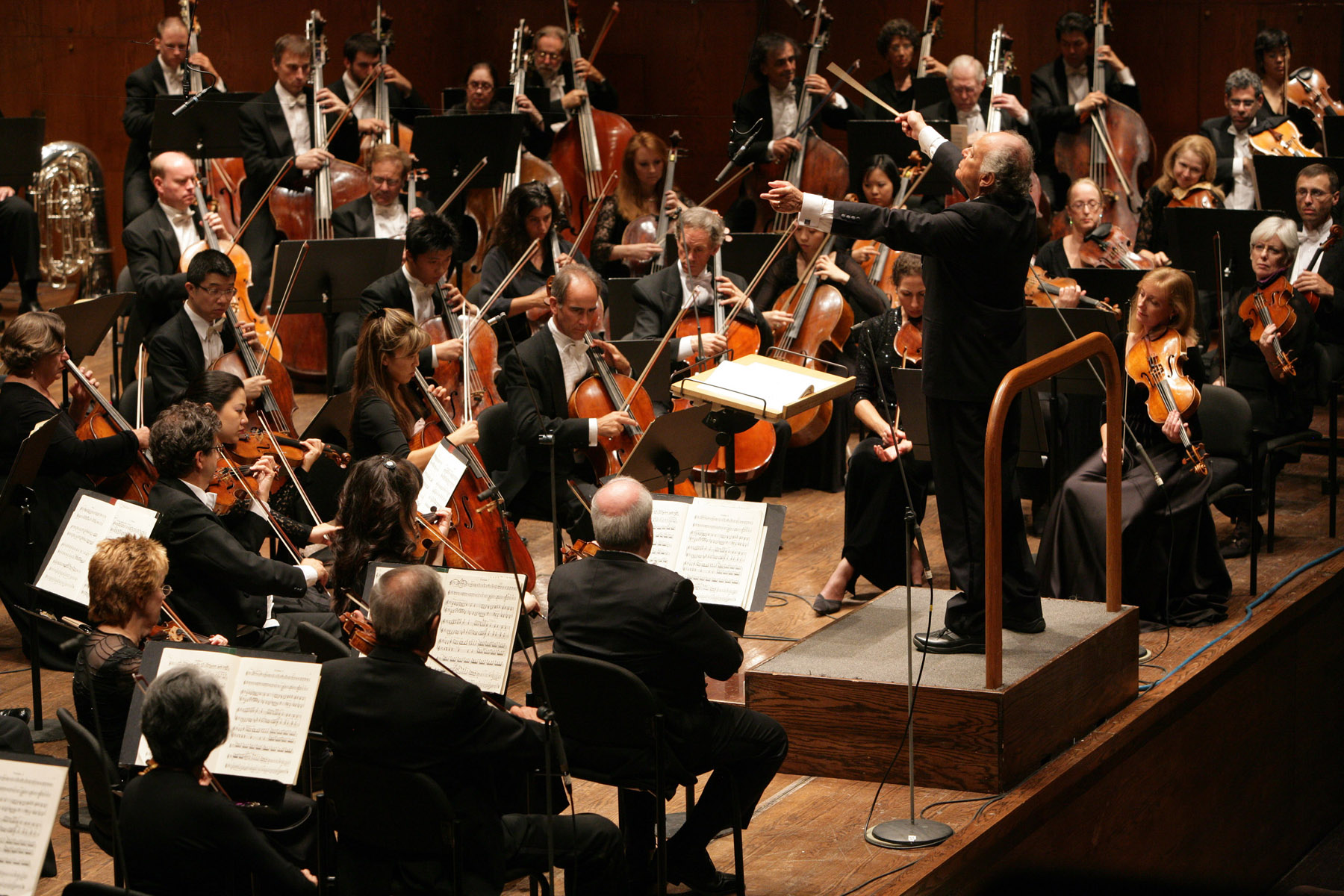
Can music play a role in diplomacy, or even bring about change? A fax from the North Korean UN office seems to pave the way for this: in 2008, the rulers in Pyongyang invite the New York Philharmonic – 55 years after the Korean War – to the first major cultural exchange between the USA and North Korea. What initially seems like a joke turns into one of the most extraordinary concerts in music history.

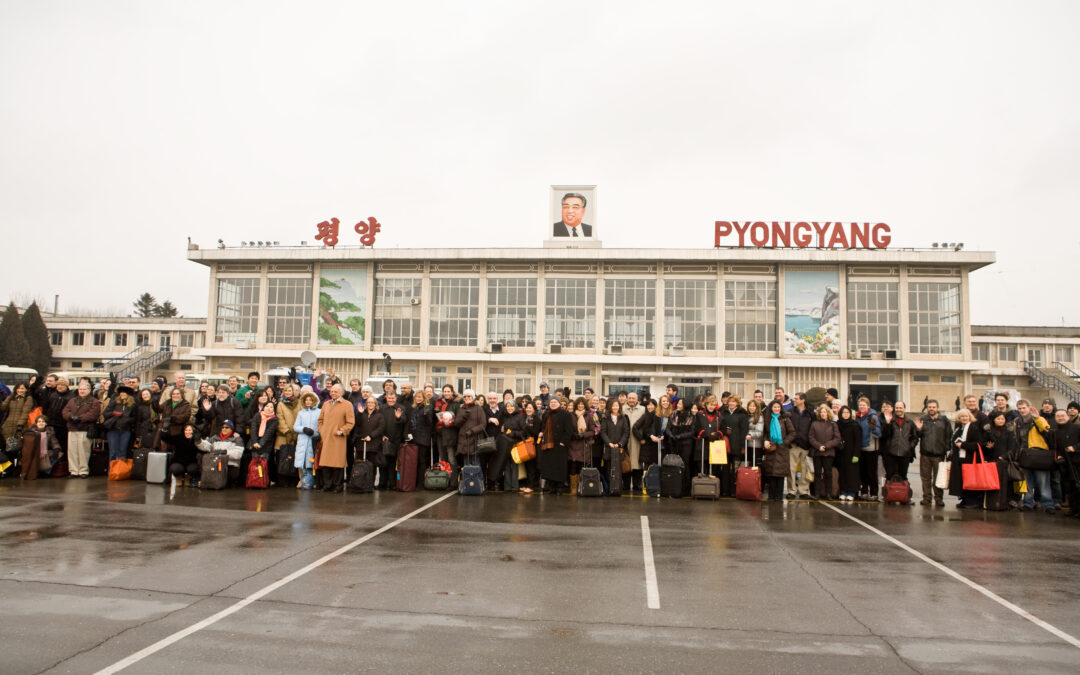
After 48 hours in the hermetically locked capital, the musicians experience a country that seems to have fallen out of time. Violinist Lisa Eunsoo Kim describes the arrival: “It didn’t feel like a normal airport”. She was surprised by the process of collecting passports and mobile phones. The musicians learnt how much control is exercised on the guests. ‘We weren’t allowed to leave the hotel, and anyone who wanted to go for a walk was immediately whistled back,’ remembers TV director Michael Beyer.

At the beginning, there is an icy formality in the Grand Theatre of East Pyongyang. The audience seems cautious and reserved – a clear contrast to the usual concert tours in Asia. But chief conductor Lorin Maazel manages to break down the barriers over the course of the concert. ‘My father played a lot in the Soviet Union,’ says his son Leslie Maazel, ‘he was convinced at the time: everyone understands and feels music – it can open the door for dialogue.’

The choice of programme proved to be a diplomatic stroke of genius. ‘The programme was carefully put together,’ recalls Dietlinde Turban-Maazel, ‘it developed from the national anthems to the more serious Dvořák.’ Antonín Dvořák’s symphony ‘From the New World’ – composed by a Czech in America – becomes the perfect bridge between the worlds. Conductor Lidiya Yankovskaya explains the emotional range of the work, which touches people regardless of their political situation. For the violinist Bomsori Kim, Maestro Maazel’s conducting style is characterised by its intellectual precision and emotional depth.

Particularly moving: Lorin Maazel steps back from the podium for Leonard Bernstein’s Candide Overture. He deliberately leaves it played without a conductor – a subtle message about self-organisation without a “great leader”.

The climax comes with “Arirang”, a Korean folk song. Here the spell is finally broken: the audience shows emotion; the cultural exchange succeeds. Despite all the political tensions, the concert proves its unifying power – a magic moment of music.

Magic Moments of Music | Vivaldis Four Seasons Recomposed

Magic Moments of Music | Vivaldis Four Seasons Recomposed

Magic Moments of Music | Vivaldis Four Seasons Recomposed

A film by Isabel Hahn, ZDF/arte, 52 min

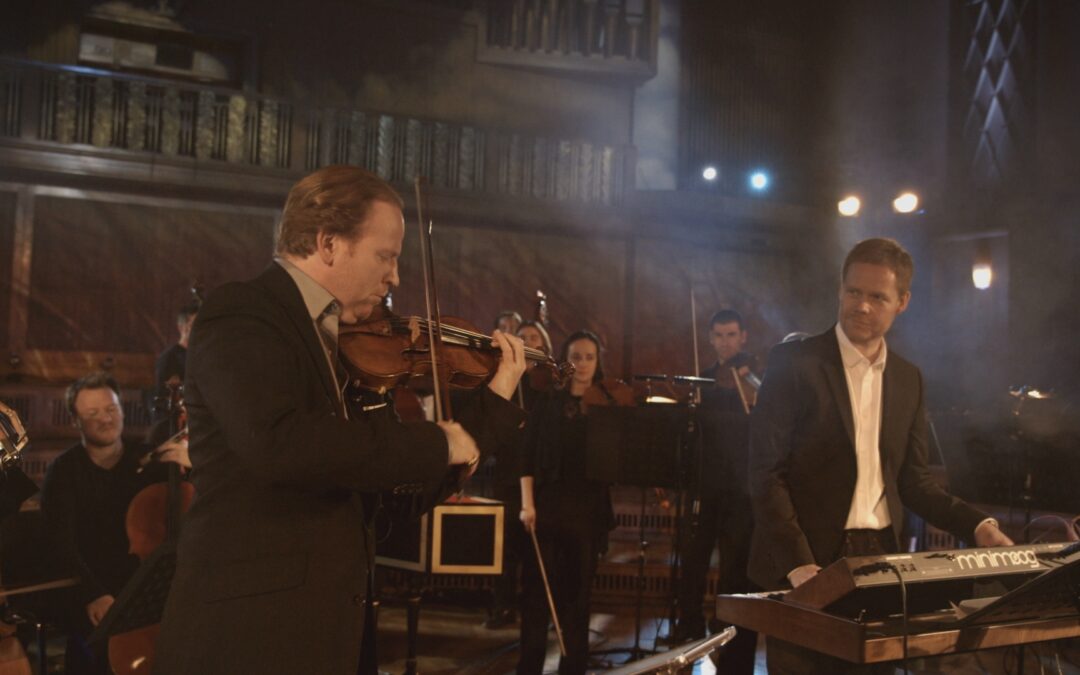
Turn old into new – a tried and tested approach, but can you do the same with Vivaldi’s legendary Four Seasons? Organist Anna Lapwood’s answer is clear: ‘Nothing is off limits!’ After the release of his album ‘Recomposed’, composer Max Richter initially expected fierce criticism. But the opposite happened – he hit a nerve: over 450 million streams, concerts in classical halls as well as in clubs such as Berghain Berlin or Poisson Rouge in New York, and the distribution of individual tracks in the Bridgerton series testify to the success of the reinterpretation.


What’s touching people when they hear ‘Recomposed’? In this magic moment, prominent artists and contemporary witnesses embark on a journey through the music, recall performance challenges and personal highlights, and explain how the British composer Max Richter put his hand to the 300-year-old work.

‘For me, there is no greater music than Vivaldi’s Four Seasons,’ says violinist Daniel Hope, ‘but when I held Max’s score in my hand, I realised why he had to do it.’ Watching the film footage, concertmaster Werner Ehrhardt also remembers how difficult it was to switch off the Vivaldi autopilot.

Richter’s new composition fascinates the hardcore Vivaldi fan and mandolinist Avi Avital just as much as it does techno producer Stimming, who otherwise is no fan of classical music: a new sound experience even for him.

Composer Malakoff Kowalski is certain that it is impossible to categorise this music by Richter.  ‘Whenever the courtly stuff from Vivaldi doesn’t suit him, he goes into minimalist music, into the neoclassical turn, into film music.’ The timeless movements by Vivaldi on the other hand, Max Richter handles with the greatest care.

Freedom is what violinist Esther Abrami above all thinks of when hearing ‘Recomposed’. Strict expectations of baroque playing styles no longer apply. Choreographer Ana Isabel Casquilho, who has choreographed both Vivaldi’s and Richter’s Four Seasons for ballet productions, also experiences this.

Magic Moments of Music | Michelangeli plays Ravel

Magic Moments of Music | Michelangeli plays Ravel

Magic Moments of Music | Michelangeli plays Ravel

A film by Dag Freyer & Philipp Quiring, ZDF/arte, 52 min

Arturo Benedetti Michelangeli is linked inextricably with Maurice Ravel’s Piano Concerto in G major. In this performance, captured on film, his execution of the trilled passages creates the illusion of gliding seamlessly from one note to the next as if coaxed from the strings of a bowed instrument rather than struck on a piano. It is a breathtaking display of control and interpretive freedom.

Michelangeli himself was an enigma. Exacting, reclusive and unpredictable, he was as notable for his cancellations as his appearances. The slightest flaw in an instrument or a shift in humidity between rehearsal and performance could be enough to end a concert before it began.

Still, Michelangeli’s reputation as one of the greatest pianists of his time is undisputed. Piano legend Krystian Zimerman recalls his artistic encounters with the virtuoso pianist. For Pierre-Laurent Aimard, he remains an “acoustic magician” and an enduring source of inspiration. Serge Celebidachi, son of conductor Sergiu Celibidache, reflects on the rare artistic bond between two uncompromising perfectionists. In Bavaria, Marina Baranova searches for Michelangeli’s piano, while producer Cord Garben remembers a sometimes difficult but always remarkable working relationship. Jazz pianist and devoted admirer Stefano Bollani reveals how Ravel’s influence stretches into jazz and improvisation.

Anastasia Kobekina | Now or Never!

Anastasia Kobekina | Now or Never!

Anastasia Kobekina: Now or Never!

A film by Grete Liffers & Sophie-Caroline Danner, 52 min, C Major & Sony
Trailer

Many share the dream of a global career – but what does it truly take to make that dream a reality? Following the charismatic cellist Anastasia Kobekina, the documentary offers a unique look behind the closed doors of her record label, concert halls, and her private life. Having started to play the cello at age four, Anastasia struggles with the decisions made for her and those she must make when asking herself: “Is it my choice or the choice of my parents?” Torn between her own and other people’s expectations, Anastasia forges her path through a demanding industry and inspires by proving her ambition, talent, and resilience.