Magic Moments of Music | September 11, 2001: Hélène Grimaud in London
Magic Moments of Music | September 11, 2001: Hélène Grimaud in London
A film by Holger Preuße & Philipp Quiring, ZDF/arte and C Major Entertainment, 52 min, 2022On September 11, 2001, two planes flew into the World Trade Center in New York and the world seemed to stop for a moment. This film about the concert by Hélène Grimaud and the Orchester de Paris conducted by Christoph Eschenbach at the Royal Albert Hall tells the story of how sadness and dismay became a pinnacle musical moment and underlines the unique ability of music to provide comfort in tragic moments.
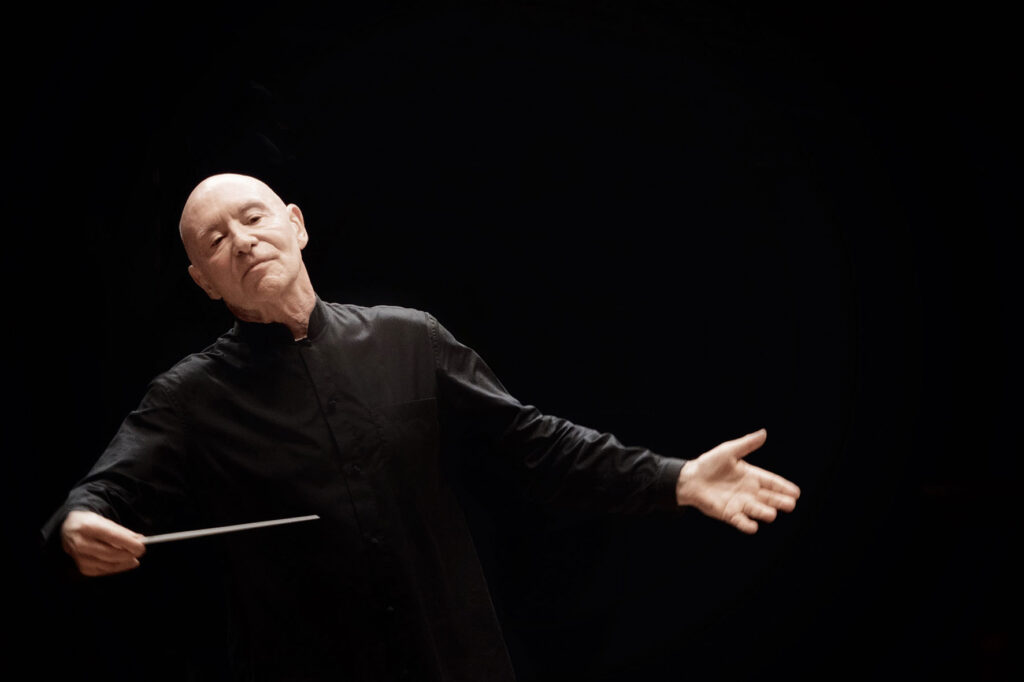
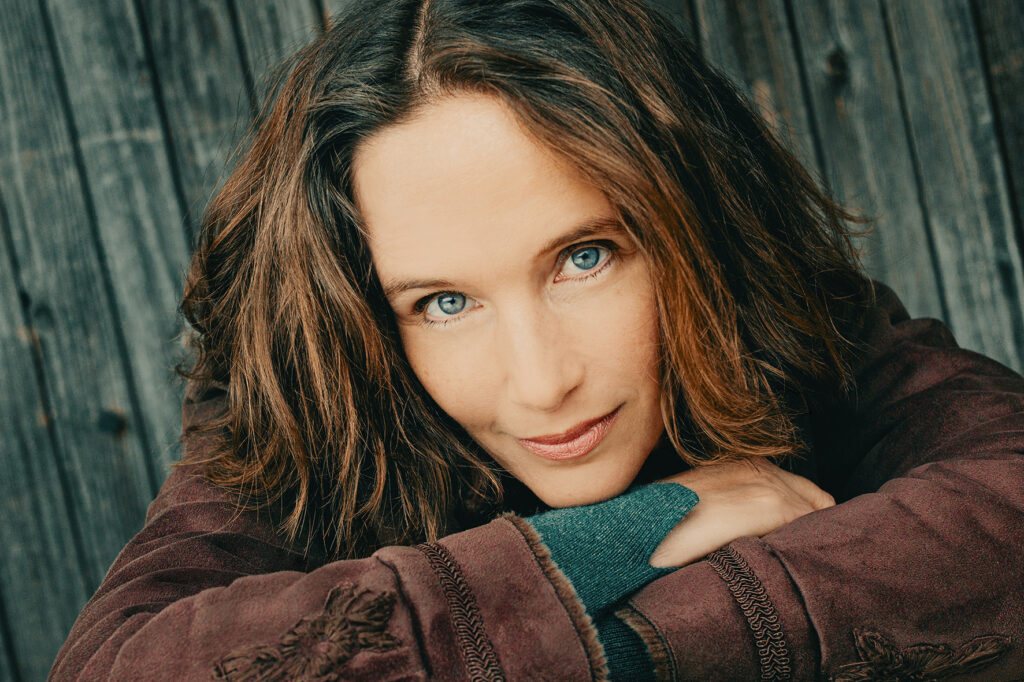
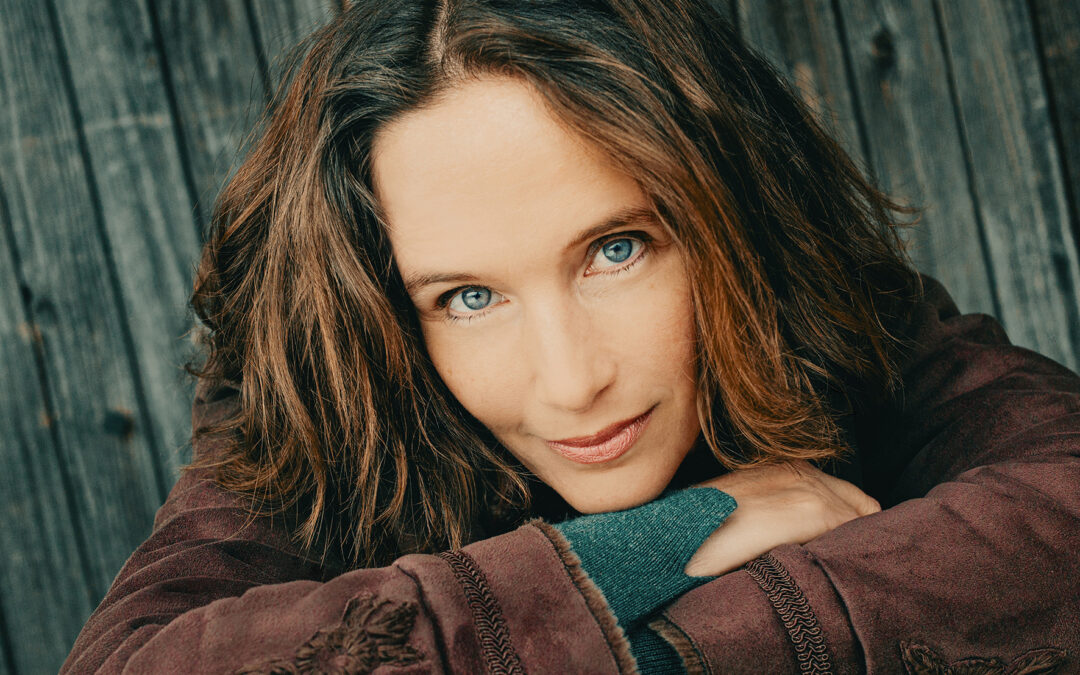
For the young French pianist Hélène Grimaud, September 11, 2001, was going to be a day of joy. She has travelled to London from her adopted home of New York to make her much-anticipated debut at the BBC Proms – the world’s biggest and perhaps best-known classical music festival. She is set to perform Ludwig van Beethoven’s Piano Concerto No. 4 with the Orchester de Paris conducted by Christoph Eschenbach.
But after the dress rehearsal in the Royal Albert Hall, everything changes in a single moment. In her hotel room, Hélène Grimaud watches the horrific images coming from New York. A plane has flown into the World Trade Center. “I thought it was the latest Hollywood horror production,” she remembers.
The conductor of the upcoming performance, Christoph Eschenbach, is having lunch with the French ambassador in London when he hears about the terrorist attack. He and the organiser of the Proms, Sir Nicholas Kenyon, have a decision to make: Can you really put on a concert on a day such as this?
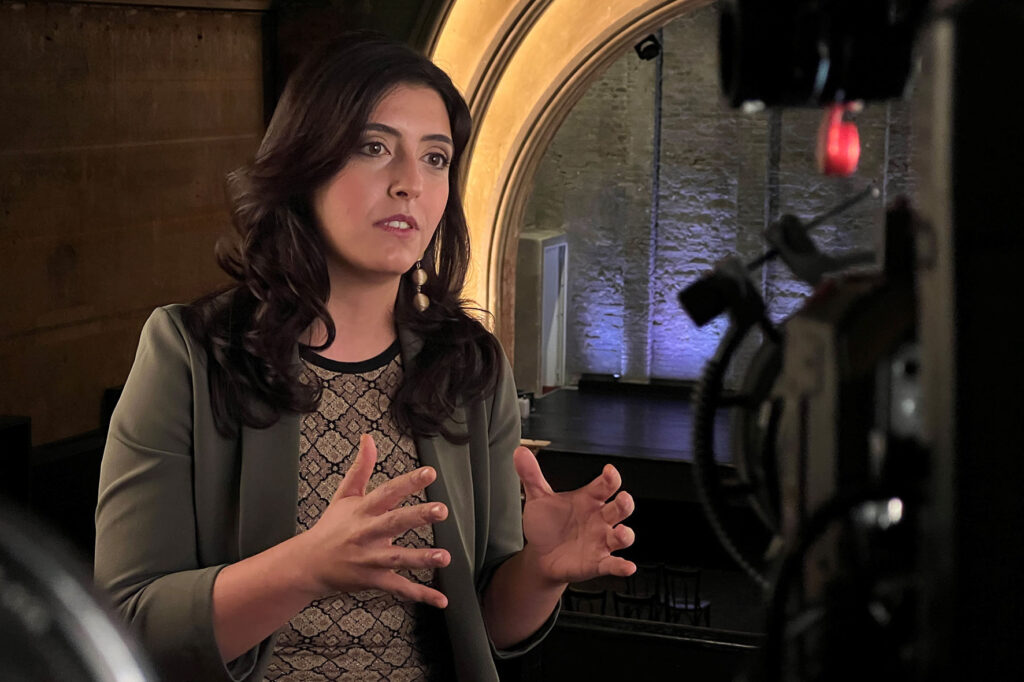
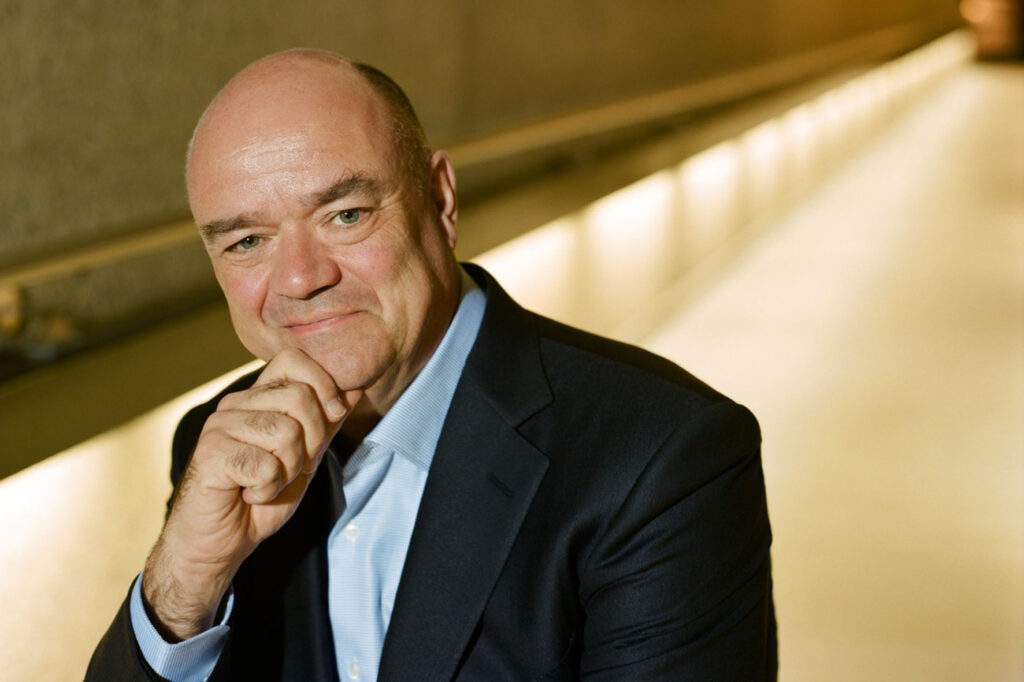
Sir Kenyon remarks: “Cancelling a Proms concert is no minor undertaking. Even after the death of Lady Diana, we chose to go ahead with the performance. And the people came.” Christoph Eschenbach and Hélène Grimaud are also prepared to perform.
The hall begins to fill. The mood is sombre. For Hélène Grimaud, the events have laid a leaden cloak of sadness and shock over the evening “They gave a concert of peace,” comments pianist Sophie Pacini. And indeed, after sounding the opening G major chord with trembling fingers, Hélène Grimaud begins to play increasingly freely. “This moment of catastrophe and tension and questioning inspired her to a musical moment that was increasingly captivating.”
In the 2nd movement of Beethoven’s concerto, her playing is even vocal. The Royal Albert Hall is charged with excitement. The Proms audience holds its breath in shared emotion. It is a collective and communal experience that Orchester de Paris violist Estelle Villotte recalls more than two decades later. “I cried on my viola during the concert. But Christoph Eschenbach and Hélène Grimaud carried me through.”
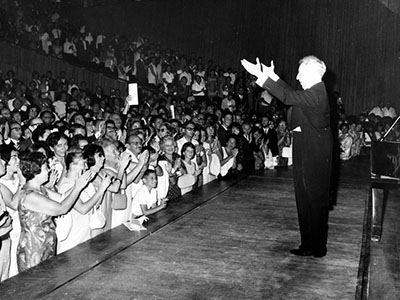
The dance-like and playful third movement is a liberation. For a moment at least, the terrible images from New York appear outshone by Hélène Grimaud’s playing. And the mood changes. At the close of the piece, the audience responds with a standing ovation.


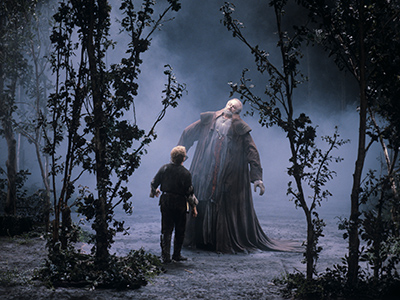
 The opera production sent ripples through art and society even before the curtain was lifted. Leaflets were distributed, signatures were collected and musicians left the orchestra pit in disgust, all because of disagreements over the bold new interpretation of Wagner’s Ring Cycle by conductor Pierre Boulez. The conservative press turned against the politically critical and anti-capitalist interpretation of Richard Wagner’s major work, The Ring of the Nibelung. After Ingmar Bergmann had turned down the invitation, the festival hired 31-year-old television and film director Patrice Chéreau, a relative unknown who had only directed two operas previously, by Rossini and Offenbach. Chéreau’s submitted concept for the multi-part, many hours long Ring Cycle had fitted on a single typewritten page. Once hired, he had just four months to prepare the monumental dramatic work.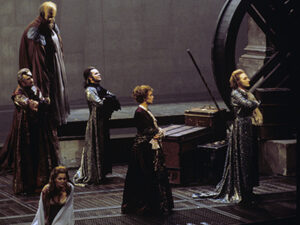
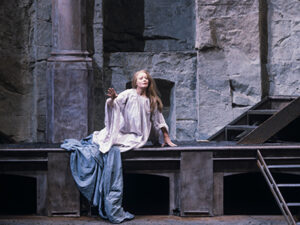 The “Centenary Ring” was a fulfilment of Richard Wagner’s dictum that the Ring Cycle should represent a musical synthesis of the arts. With the staging, set design and lighting, costumes, musical interpretation and, last but not least, the exceptional singing of the numerous soloists and choir, a legend was born. When the curtain came down, the Franco-German project was already being celebrated as a musical triumph, and in time the production would be celebrated as an event of the century.
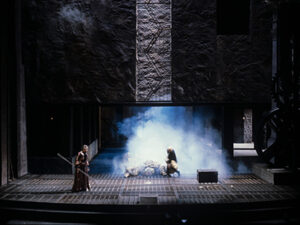 The film shows excerpts from this unforgettable opera event. Contemporary witnesses look back and comment on events both on and off the boards. Soprano Dame Gwyneth Jones, contralto Hanna Schwarz and tenor Heinz Zednik were on stage as it unfolded; French director Vincent Huguet tells of his collaboration with Patrice Chéreau, whose assistant he would later become. The young singer Anna Prohaska, frequent Wagner singer Günther Groissböck and director Barrie Kosky have dealt at length with the Centenary Ring and talk about their impressions. The interviewees also include writer Friedrich Dieckmann, who authored one of the most important reviews of the events in Bayreuth.