


Magic Moments of Music | The New York Phil in North Korea
A film by Alix François Meier, ZDF/arte, 52 minCan music play a role in diplomacy, or even bring about change? A fax from the North Korean UN office seems to pave the way for this: in 2008, the rulers in Pyongyang invite the New York Philharmonic – 55 years after the Korean War – to the first major cultural exchange between the USA and North Korea. What initially seems like a joke turns into one of the most extraordinary concerts in music history.
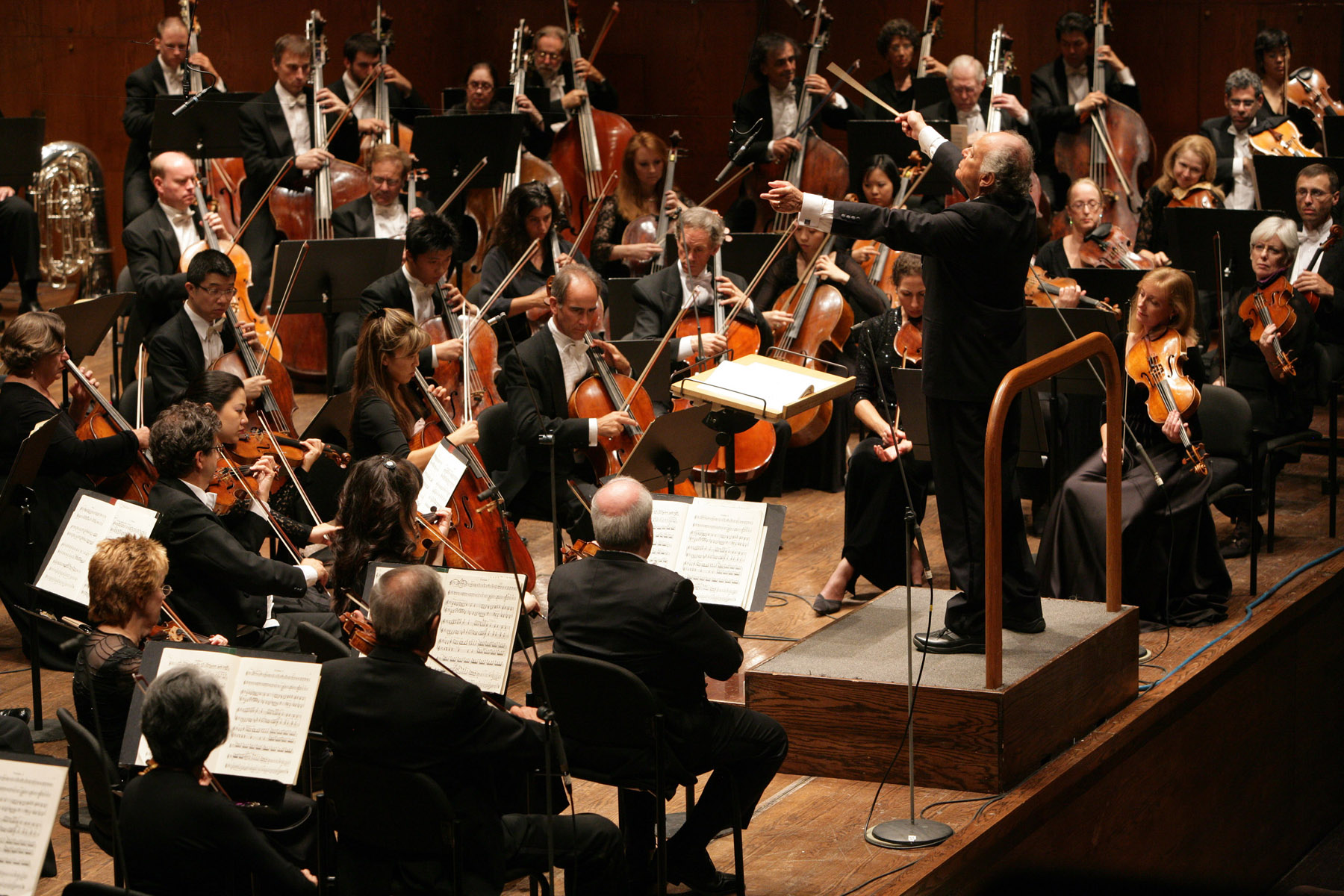
After 48 hours in the hermetically locked capital, the musicians experience a country that seems to have fallen out of time. Violinist Lisa Eunsoo Kim describes the arrival: “It didn’t feel like a normal airport”. She was surprised by the process of collecting passports and mobile phones. The musicians learnt how much control is exercised on the guests. ‘We weren’t allowed to leave the hotel, and anyone who wanted to go for a walk was immediately whistled back,’ remembers TV director Michael Beyer.
At the beginning, there is an icy formality in the Grand Theatre of East Pyongyang. The audience seems cautious and reserved – a clear contrast to the usual concert tours in Asia. But chief conductor Lorin Maazel manages to break down the barriers over the course of the concert. ‘My father played a lot in the Soviet Union,’ says his son Leslie Maazel, ‘he was convinced at the time: everyone understands and feels music – it can open the door for dialogue.’
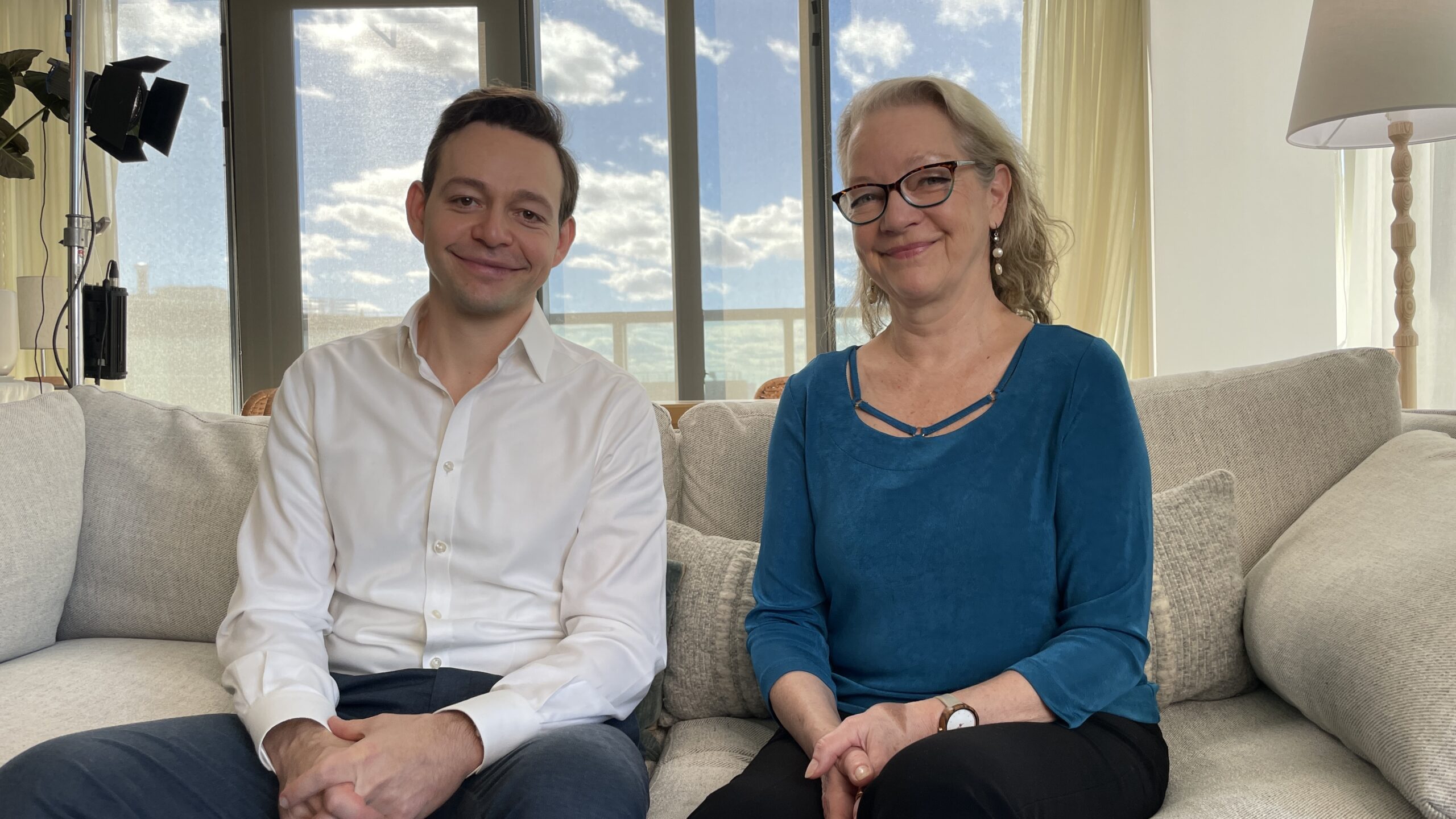
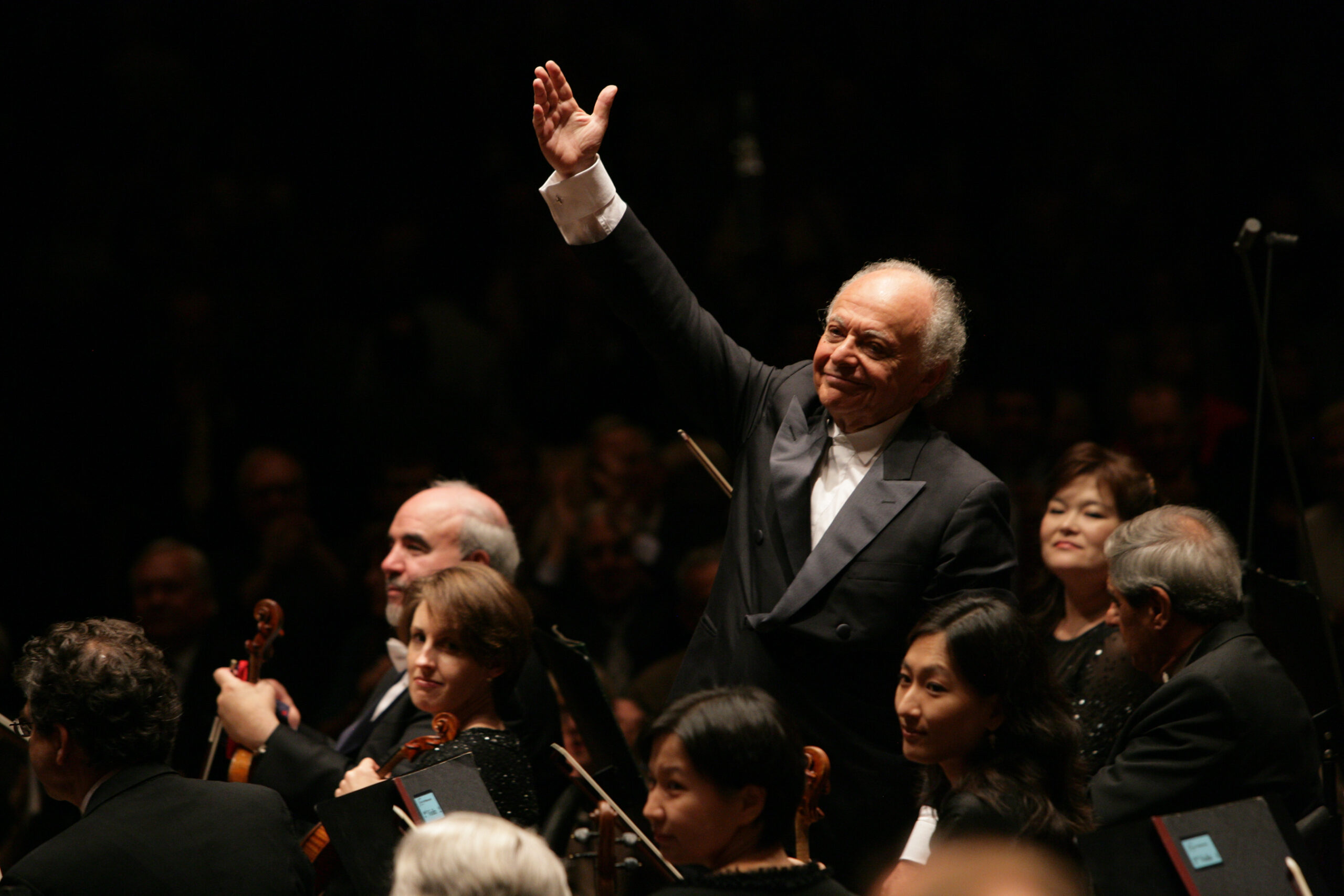
The choice of programme proved to be a diplomatic stroke of genius. ‘The programme was carefully put together,’ recalls Dietlinde Turban-Maazel, ‘it developed from the national anthems to the more serious Dvořák.’ Antonín Dvořák’s symphony ‘From the New World’ – composed by a Czech in America – becomes the perfect bridge between the worlds. Conductor Lidiya Yankovskaya explains the emotional range of the work, which touches people regardless of their political situation. For the violinist Bomsori Kim, Maestro Maazel’s conducting style is characterised by its intellectual precision and emotional depth.
Particularly moving: Lorin Maazel steps back from the podium for Leonard Bernstein’s Candide Overture. He deliberately leaves it played without a conductor – a subtle message about self-organisation without a “great leader”.
The climax comes with “Arirang”, a Korean folk song. Here the spell is finally broken: the audience shows emotion; the cultural exchange succeeds. Despite all the political tensions, the concert proves its unifying power – a magic moment of music.